
Journal
Dump truck vs tipper: which do you actually need?
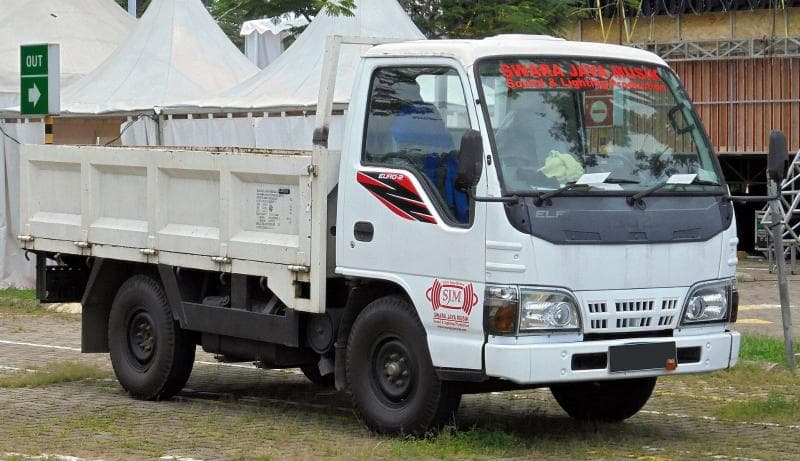
“Dump” and “tipper” are often used to mean the same thing, and for many buyers they effectively do: a truck with a bed that tips to unload. But the size, tipping mechanism and intended load make a real difference to which unit is right for your work.
What they have in common
Both use a hydraulic ram to raise the bed and empty the load by gravity, ideal for sand, gravel, soil, demolition waste and similar bulk materials. Both save enormous time compared with unloading by hand.
Where they differ
In everyday use, “mini dump” tends to describe smaller, nimble units that thrive on tight urban sites and lighter loads, while “tipper” often refers to larger-capacity trucks built for heavier, higher-volume work. The distinction is less about a rulebook and more about payload and access.
Choose based on three things
- Payload: be honest about the heaviest load you will carry regularly, and buy for that, not the occasional maximum.
- Site access: narrow lanes and soft ground favour a smaller, lighter unit; open quarries and long hauls favour capacity.
- Running cost: a bigger truck costs more to run when it is half-empty most of the time. Right-size to your typical job.
The bottom line
If most of your work is compact-site and moderate loads, a mini dump keeps you agile and economical. If you are moving serious volume over distance, step up to a tipper with the capacity to match. Filter our inventory by body type to compare real units side by side.